Engineered Wood Flooring is a type of real wood floor constructed from layered timber boards with a genuine hardwood surface. While it looks like solid wood, its internal structure is engineered for greater strength and stability.
Unlike solid wood, which is cut from a single piece of timber, this flooring type uses multiple layers bonded together. This reduces expansion and contraction caused by changes in temperature and humidity, making it more reliable in typical UK homes.
In this guide, you will learn how it is made, how it compares to other flooring types, its benefits and drawbacks, and where it works best.
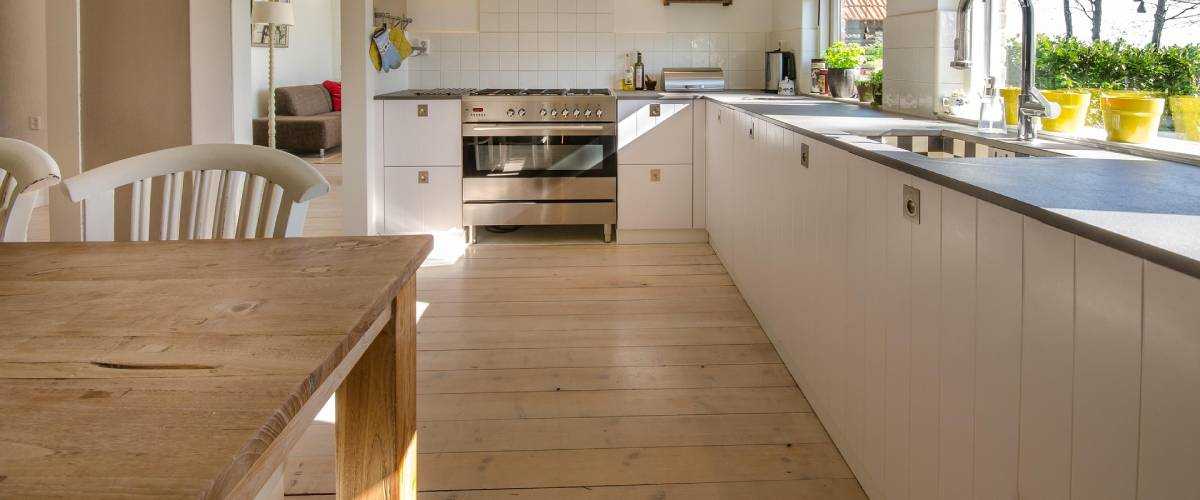
What is Engineered Wood Flooring Made Of?
To fully understand what is engineered wood flooring, it helps to break down its layered construction.
1. The Top Layer, Real Hardwood
The surface layer, often called the wear layer or veneer, is made from genuine hardwood such as oak, walnut or ash. This is the visible part of the board.
The thickness of this top layer typically ranges from 2mm to 6mm. A thicker wear layer usually means the engineered hardwood flooring can be sanded and refinished more times over its lifespan.
2. The Core Layers
Beneath the hardwood surface are several layers of plywood or high density fibreboard. These layers are arranged in alternating directions to increase structural stability.
This cross layered construction is what makes Engineered Wood Flooring more resistant to movement than solid timber.
3. The Backing Layer
The bottom layer reinforces the board and provides balance, helping prevent distortion over time.
Is Engineered Wood Flooring Real Wood?
Yes, it is real wood.
The top layer of engineered hardwood flooring is genuine hardwood. It is not a printed image or artificial surface. This means you get authentic grain patterns, natural colour variation and the warmth associated with timber flooring.
The difference lies in the internal structure. Instead of being one solid piece of wood, Engineered Wood Flooring is built in layers for added durability.
If you are exploring different real timber options, you can view available styles and finishes within our dedicated real wood flooring collection, which includes a range of engineered finishes suited to different rooms and interior styles.
How Does Engineered Wood Flooring Work?
Wood naturally expands and contracts when humidity levels change. In the UK climate, seasonal moisture variation can impact flooring performance.
Because engineered hardwood flooring is built from layers that run in different directions, the movement of one layer is restricted by the next. This significantly reduces the risk of:
- Warping
- Cupping
- Gaps forming between boards
This layered structure makes it particularly suitable for homes with underfloor heating or varying temperatures.
Benefits of Engineered Wood Flooring
Understanding the advantages helps explain why this flooring type has become increasingly popular.
1. Greater Stability
The layered construction makes Engineered Wood Flooring more resistant to moisture related movement than solid timber.
2. Suitable for Underfloor Heating
Many types of engineered hardwood flooring are compatible with underfloor heating systems, making them well suited to modern renovations.
3. Real Wood Appearance
Because the surface is genuine hardwood, you get the natural texture and grain of real timber.
4. Wide Plank Designs
Engineered boards are often available in wider and longer formats, which can create a contemporary appearance.
5. Easier Installation Options
Many products feature click systems or tongue and groove joints that simplify fitting.
Drawbacks and Limitations
While Engineered Wood Flooring offers many strengths, it is important to consider potential limitations.
1. Limited Sanding Compared to Solid Wood
Although engineered hardwood flooring can often be sanded, it cannot usually be refinished as many times as thick solid boards.
2. Quality Can Vary
Wear layer thickness and core materials differ between products. Higher quality boards generally provide better longevity.
3. Higher Cost Than Laminate
Compared to laminate flooring, engineered hardwood flooring typically sits at a higher price point.
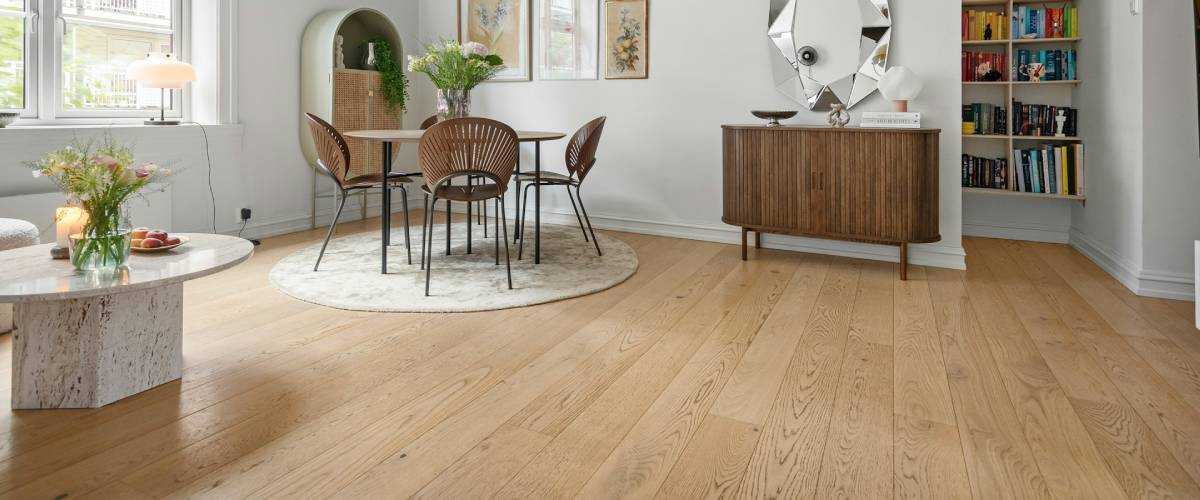
Engineered Wood vs Solid Wood Flooring
When researching what is engineered wood flooring, many homeowners compare it directly with solid wood.
1. Construction
Solid wood is made from one piece of timber.
Engineered Wood Flooring uses layered construction with a hardwood surface.
2. Stability
Engineered boards are typically more stable in fluctuating temperatures.
3. Underfloor Heating
This flooring type is usually better suited to underfloor heating systems.
4. Lifespan
Solid wood can be sanded multiple times over decades.
High quality engineered options can also last many years, particularly with a thicker wear layer.
Engineered Wood vs Laminate Flooring
Another common comparison involves laminate.
1. Surface Material
Engineered Wood Flooring has a real wood surface.
Laminate uses a printed decorative layer.
2. Feel Underfoot
Real timber tends to feel warmer and more natural.
3. Repair Options
Some engineered hardwood flooring can be sanded and refinished.
Laminate cannot typically be refinished.
4. Cost
Laminate is usually more budget friendly.
Comparison: Engineered Wood vs Solid Wood vs Laminate
| Feature | Engineered Wood Flooring | Solid Wood Flooring | Laminate Flooring |
| Surface Material | Real hardwood veneer | Solid timber throughout | Printed wood effect layer |
| Core Construction | Multi-layer bonded core | Single piece of timber | Fibreboard core |
| Stability | High | Moderate | Very High |
| Suitable for underfloor heating | Usually yes | Often limited | Yes |
| Can be sanded | Sometimes, depends on wear layer | Yes, multiple times | No |
| Moisture Resistance | Moderate | Lower | Higher than wood |
| Price Range | Mid to High | High | Low to Mid |
| Lifespan | 20 - 30+ Years | 40+ Years | 10 - 20 Years |
Where is Engineered Wood Flooring Suitable?
Because of its construction, it works well in many areas of the home.
Living Rooms
A popular choice due to its warmth and appearance.
Bedrooms
Provides a comfortable and stylish finish.
Hallways
Durable enough for moderate foot traffic with proper care.
Kitchens
Suitable if spills are cleaned promptly and moisture is controlled.
Underfloor Heating Areas
One of the strongest advantages of Engineered Wood Flooring is its compatibility with heated floors.
Bathrooms are generally not recommended unless specifically rated for higher moisture conditions.

Who Should Choose Engineered Wood Flooring?
This flooring type is particularly suitable for:
Homeowners Installing Underfloor Heating
Its layered structure handles consistent gentle heat more effectively than solid timber.
Modern New Build Properties
New homes can experience slight humidity variation as they settle. Engineered boards cope better with this movement.
Those Wanting Real Wood Without Solid Wood Limitations
It offers genuine timber appearance with improved structural performance.
Renovators Looking for Wide Planks
Many engineered ranges are available in wide formats that create a contemporary feel.
It may not be ideal for:
- High moisture bathrooms
- Areas with standing water
- Severely uneven subfloors without preparation
Installation Considerations
Before installing Engineered Wood Flooring, consider:
Subfloor Preparation
The surface must be level, dry and stable.
Acclimatisation
Boards should rest in the room before fitting so the material can adjust to conditions.
Professional Installation
While some systems are DIY friendly, professional fitting often improves long term performance.
Maintenance Advice
Maintaining this flooring type is straightforward:
- Sweep or vacuum regularly
- Use a slightly damp mop
- Avoid excessive water
- Use furniture protectors
With proper care, high quality engineered hardwood flooring can last 20 to 30 years or more.