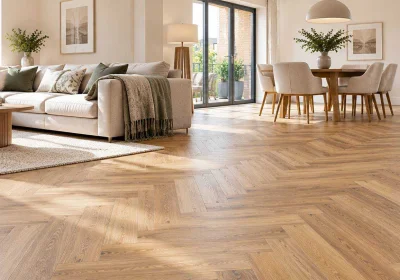
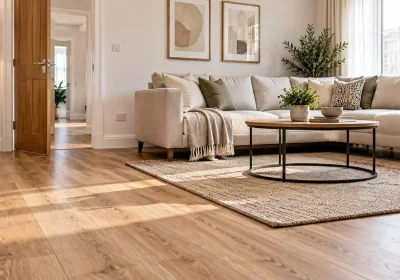
When moving into a new house, replace flooring that is damaged, unhygienic, badly worn or unsuitable for the room first. Old carpets, water-damaged floors and loose or unsafe flooring should usually take priority. Flooring that is clean, secure and in good condition can often stay until you have settled in and have more budget available.
For new homeowners across Hertfordshire, deciding what genuinely needs replacing can help you prioritise your moving budget while getting the most important work completed before furniture arrives.
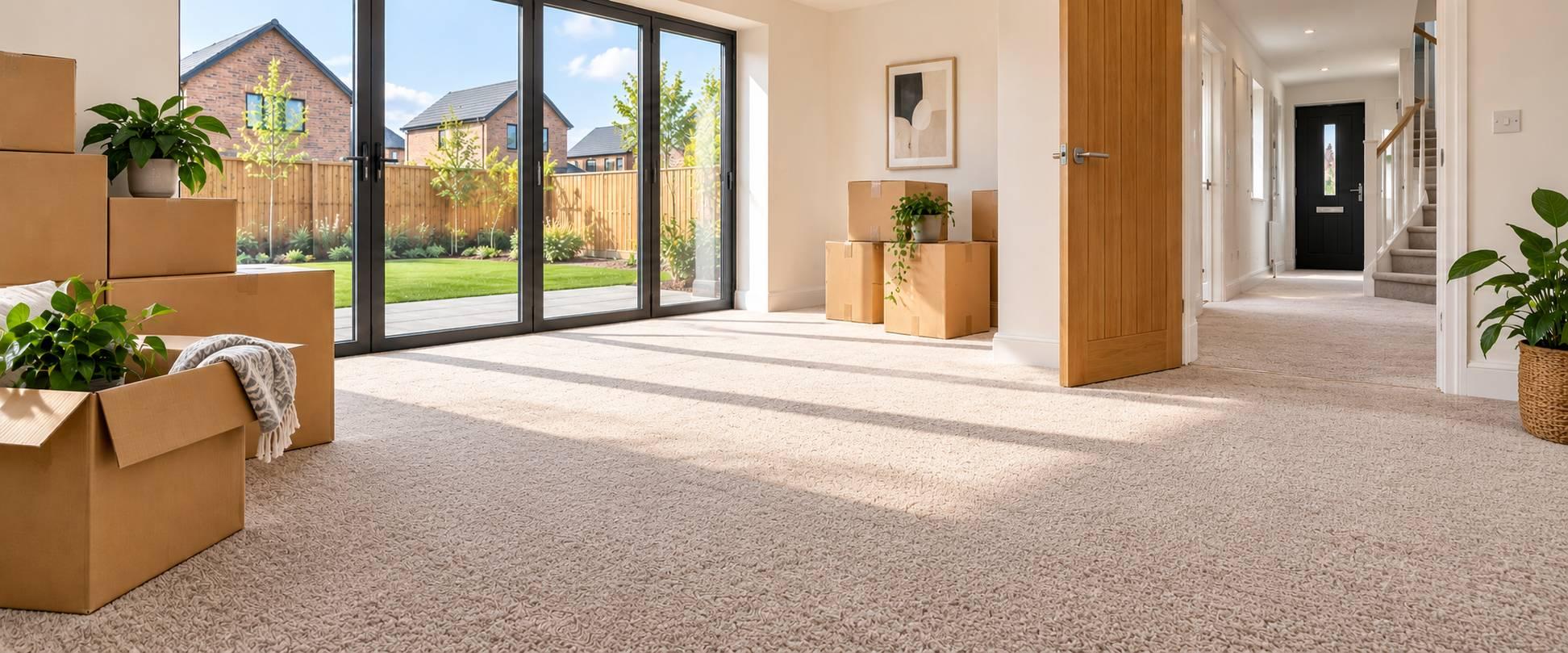
What Flooring Should You Replace First in a New House?
You do not need to replace every floor simply because you have bought a new property. Start by inspecting each room and prioritising flooring based on its condition.
A useful order is:
- Damaged or unsafe flooring, including loose, lifting or badly cracked floors.
- Heavily worn, stained or odorous carpets, particularly where cleaning is unlikely to solve the problem.
- Water-damaged flooring, especially in kitchens, bathrooms and utility areas.
- Flooring unsuitable for the room, such as flooring that cannot cope well with moisture or heavy foot traffic.
- Cosmetic changes, where the existing flooring is usable but does not suit your preferred interior style.
This approach can prevent you spending money unnecessarily during an already expensive house move.
Should You Replace Carpet When Moving House?
Carpet is often one of the first things new homeowners choose to replace.
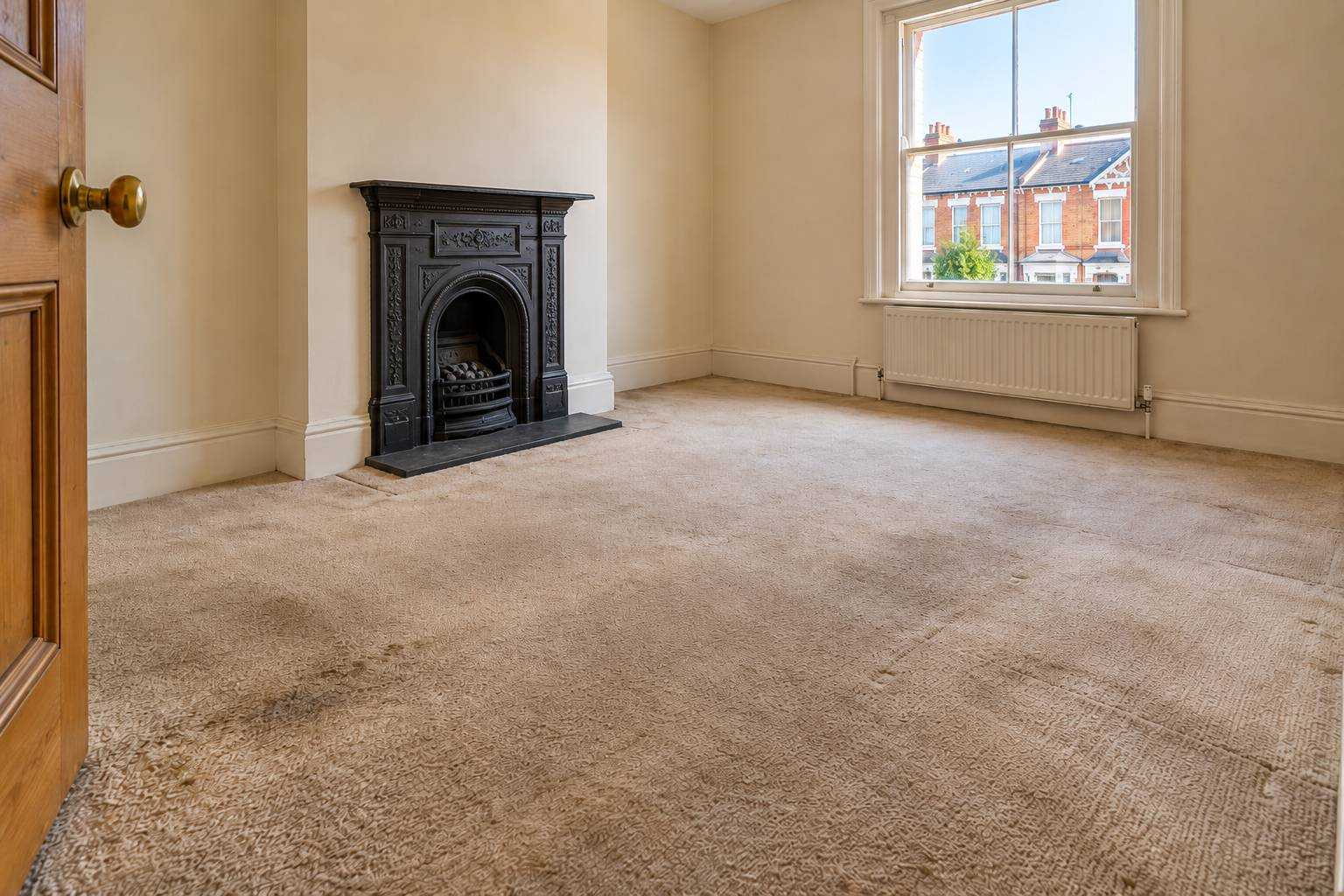
Even if the previous owner's carpet looks reasonably clean, consider its condition, age and how it has been maintained. Persistent smells, heavy staining and significant wear could all make replacement worthwhile. You might also prioritise new carpet if the previous occupants had pets or smoked inside the property.
However, you do not automatically need to replace every carpet. A relatively new carpet in good condition may only need a thorough professional clean.
Replacing carpet also gives you the opportunity to choose something suited to your household. Bedrooms may benefit from softer carpet, while hallways, stairs and landings generally need something more durable.
Should You Replace Flooring Before or After Moving In?
Where possible, replacing flooring before moving furniture into your new house is usually easier.
Empty rooms give flooring fitters easier access and mean you do not need to move beds, wardrobes, sofas and other large items afterwards.
Prioritise rooms where you already know the flooring needs changing. If you are moving into a house in Hitchin or Letchworth Garden City and several floors are perfectly usable, for example, there is little reason to delay your entire move simply to replace them.
Less urgent flooring can be updated room by room once you have settled in.
Should You Decorate or Replace Flooring First?
If you are planning both decorating and new flooring, it often makes sense to complete messy decorating work before the final flooring is fitted.
Painting, plastering and other renovation work can create dust, splashes and debris. Completing these jobs first reduces the risk of damaging a newly installed carpet or floor.
You can therefore use the period between receiving the keys and moving your furniture in to complete decorating, followed by flooring installation.
What About Kitchen and Bathroom Flooring?
Kitchens and bathrooms require extra attention because their floors regularly encounter moisture, spills and frequent cleaning.
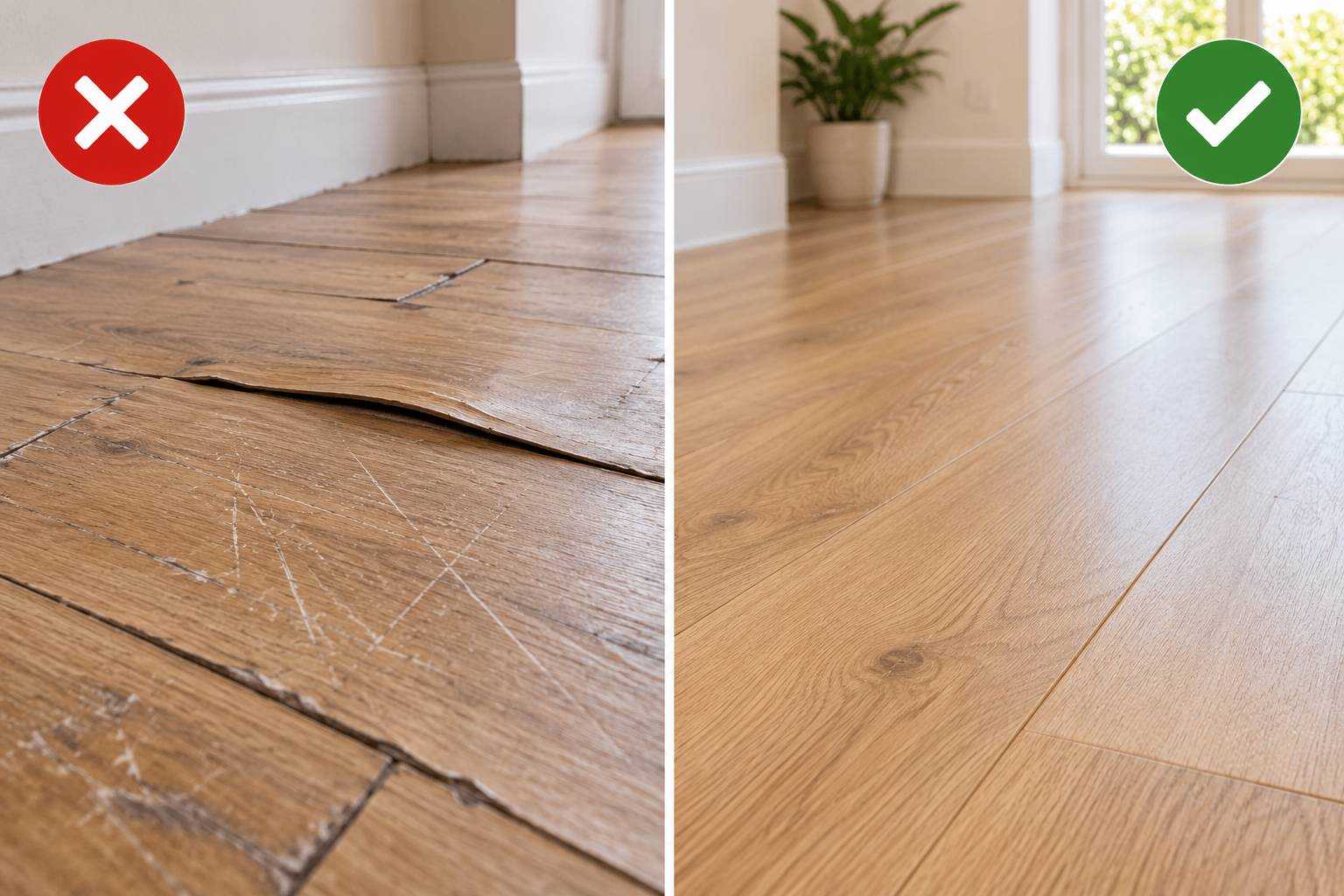
Look for lifting edges, gaps, staining, swelling and other signs of water damage. If the existing floor is secure, easy to clean and suitable for the room, you may not need to replace it immediately.
If replacement is required, consider practical flooring designed for moisture-prone areas. Vinyl, for example, can provide an easy-to-maintain option for busy kitchens and bathrooms.
The important thing is choosing flooring based on how the room will actually be used, rather than appearance alone.
Should You Keep Existing Laminate or Hard Flooring?
Good quality laminate and other hard flooring does not need replacing simply because somebody else chose it.
Inspect it for excessive scratches, movement, swelling, damaged boards and gaps. If the floor remains level, secure and in good condition, cleaning it may be all that is required.
Keeping suitable existing flooring can also free up more of your moving budget for rooms where new flooring will make a greater difference.
For homeowners moving into properties around Stevenage, Baldock or Welwyn Garden City, this can be particularly useful when renovating several rooms at once.
Can You Replace Flooring One Room at a Time?
Yes. In fact, replacing flooring gradually can be a sensible approach when buying a house.
Separate your plans into three categories:
- Replace immediately: damaged, unhygienic or unsafe flooring.
- Replace soon: usable flooring that does not properly suit the room or your household.
- Replace later: flooring that is in good condition but does not match your preferred style.
Living in the property for a while can also change your plans. You may discover which entrances receive the most muddy shoes, which rooms feel cold underfoot or where you would prefer carpet rather than hard flooring.
Choosing Flooring for Your New Hertfordshire Home
Once the essential work has been identified, you can start choosing flooring around how you intend to use your new home.
A busy family property might benefit from durable, easy-to-clean flooring in frequently used downstairs areas, while carpet can provide additional warmth and comfort in bedrooms and living spaces. Homes with children or pets may also place greater importance on durability and easy maintenance.
At A1 Carpet & Flooring, we provide carpet and flooring installation across Hertfordshire, including Stevenage, Hitchin, Letchworth Garden City, Welwyn Garden City, Baldock and surrounding areas.
If you are preparing to move house, visiting our Stevenage showroom before choosing your flooring allows you to compare different materials, colours and finishes and discuss which rooms you should prioritise.
Frequently Asked Questions
Is it worth replacing flooring before moving into a new house?
Yes, particularly when flooring is damaged, unhygienic or already something you know you want to change. Having new flooring fitted while rooms are empty can also make installation easier before beds, wardrobes, sofas and other furniture arrive.
Do I need to replace all the carpet when buying a house?
No. Carpet that is clean, relatively new and in good condition can potentially be kept. Prioritise carpets that are badly worn, stained, damaged or have persistent odours. Professional cleaning may be sufficient for carpets that are otherwise in good condition.
Should I replace carpet before moving furniture in?
If you already plan to replace the carpet, fitting it before large furniture arrives can make the process easier. Empty bedrooms and living spaces give fitters better access and mean furniture does not need to be removed and returned afterwards.
What flooring is best for a new house?
The best flooring depends on the room and your lifestyle. Carpet can provide warmth and comfort in bedrooms and living areas, while practical hard flooring can suit busy hallways, kitchens and other frequently used spaces. Consider durability, maintenance, moisture and budget before deciding.